
Signs It Is Time for a Door Knob Lock Replacement
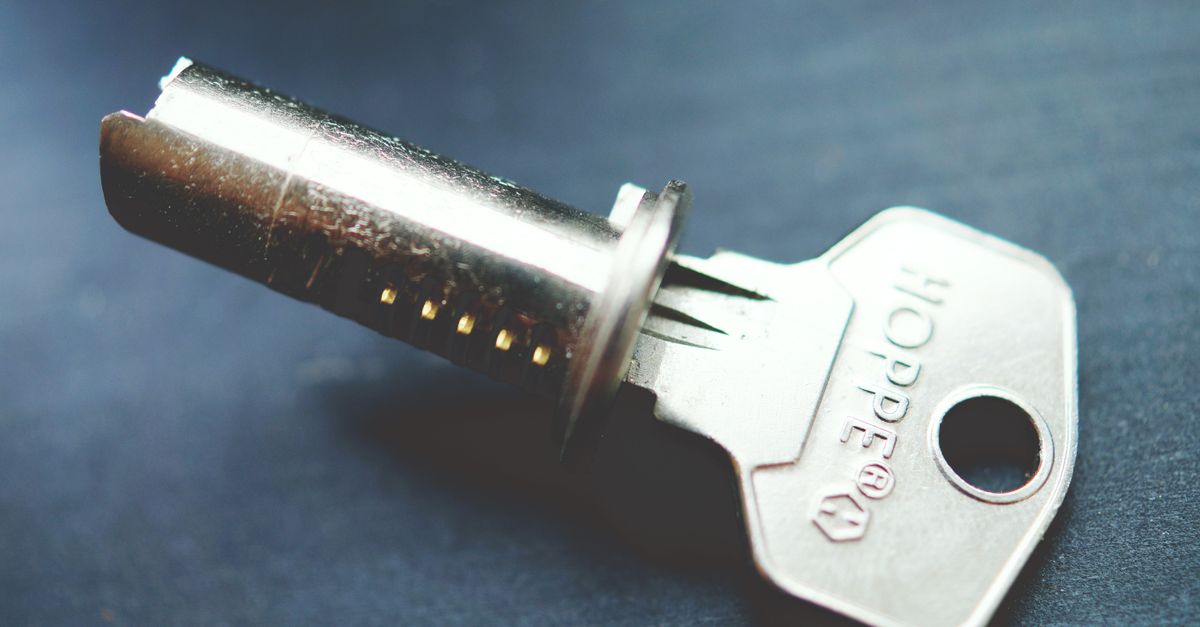
Not every problem requires a full replacement, but several symptoms make it the right call. A knob that spins freely without retracting the latch has a broken cam or tailpiece inside the cylinder — a repair that typically costs more in labor than simply swapping the entire unit. A lock door knob that feels loose on its rose or escutcheon plate often has stripped set screws or a cracked spindle, and tightening alone rarely holds long-term in Florida's expansion-and-contraction climate. Seized or stiff keyways — common on exterior door knob with lock and key units exposed to coastal air — can usually be lubricated temporarily, but corrosion that has reached the pin chambers means the lock will fail at the least convenient moment. Interior issues matter too: a door knob with lock for bedroom or bathroom use that no longer turns the privacy button is a safety concern, especially in homes with children or elderly residents.
Our technicians assess the full door prep — the bore diameter, backset (typically 2-3/8 inch or 2-3/4 inch), door thickness, and existing strike plate condition — before recommending a replacement. On older New Port Richey homes built in the 1960s and 1970s, we frequently find non-standard preparations that require a mortise lock conversion or a reinforced strike plate rather than a simple knob swap. Catching these details early prevents callbacks and ensures the new hardware functions correctly from day one.