What Is a Mortise Lock and Why Does It Fail?
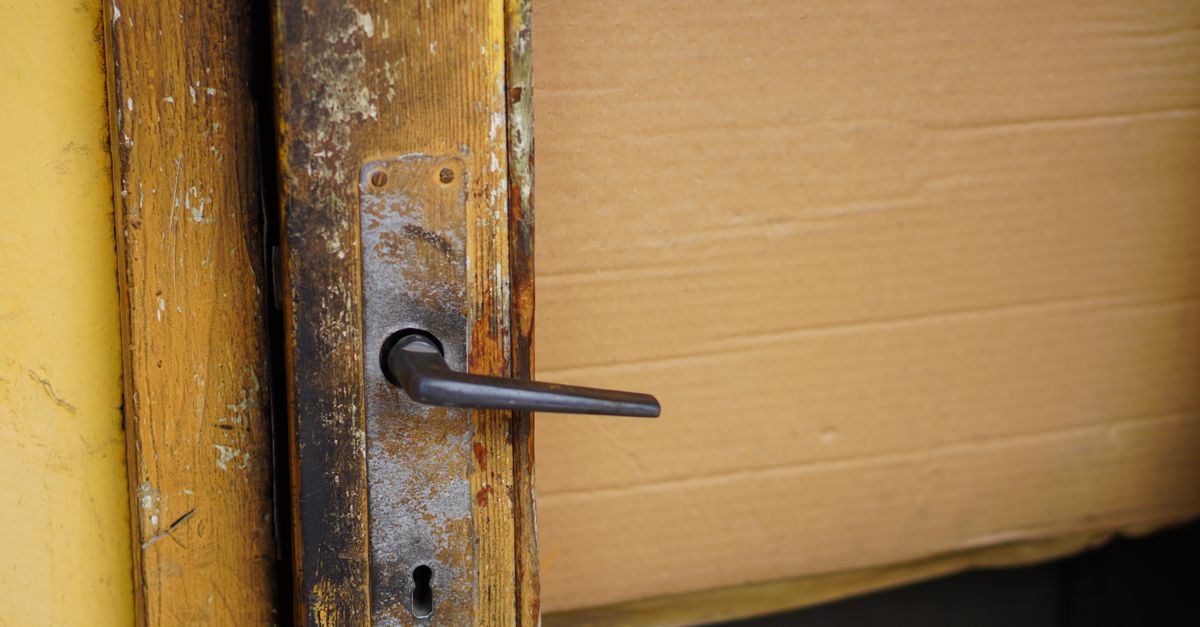
A mortise lock is a complete lock mechanism housed inside a rectangular pocket — the mortise — that is cut directly into the edge of a door. Unlike a cylindrical lockset that is bored through the face of a door, the mortise lock body sits flush within the door's thickness and contains every moving part in one self-contained case: the latchbolt, the deadbolt, the anti-friction tongue, the follower, the hubs, and a network of springs and cams. A mortise lock set exterior door installation is inherently more secure than a surface-mounted lockset because the hardware integrates with the door's structure rather than sitting on top of it.
What causes failure? In New Port Richey's subtropical climate, interior steel components are susceptible to rust and corrosion even when the door itself appears fine. The grease that was factory-applied to cam followers and bolt springs can dry into a gummy paste that binds movement. Tapered latchbolts wear flat over years of door-slam friction. Hubs crack when internal springs break and users force the handle. Trim screws back out and allow the exterior cylinder to rotate in the pocket, shearing the cam. Each of these is a specific mechanical failure — and each one is diagnosable and, in most cases, repairable without replacing the entire door or frame.